
Understanding the Basics of Plastic Storage Boxes
In an age where clutter threatens to take over our living spaces, finding effective storage solutions is more important than ever. One of the most versatile and practical options available is the plastic storage box. These containers come in various sizes and shapes, making them suitable for myriad purposes, from organizing office supplies to facilitating seasonal decorations. In this comprehensive guide, we will delve into everything you need to know about plastic storage boxes, exploring their functions, benefits, and the best practices for utilizing them in your home or workspace.
What is a Plastic Storage Box?
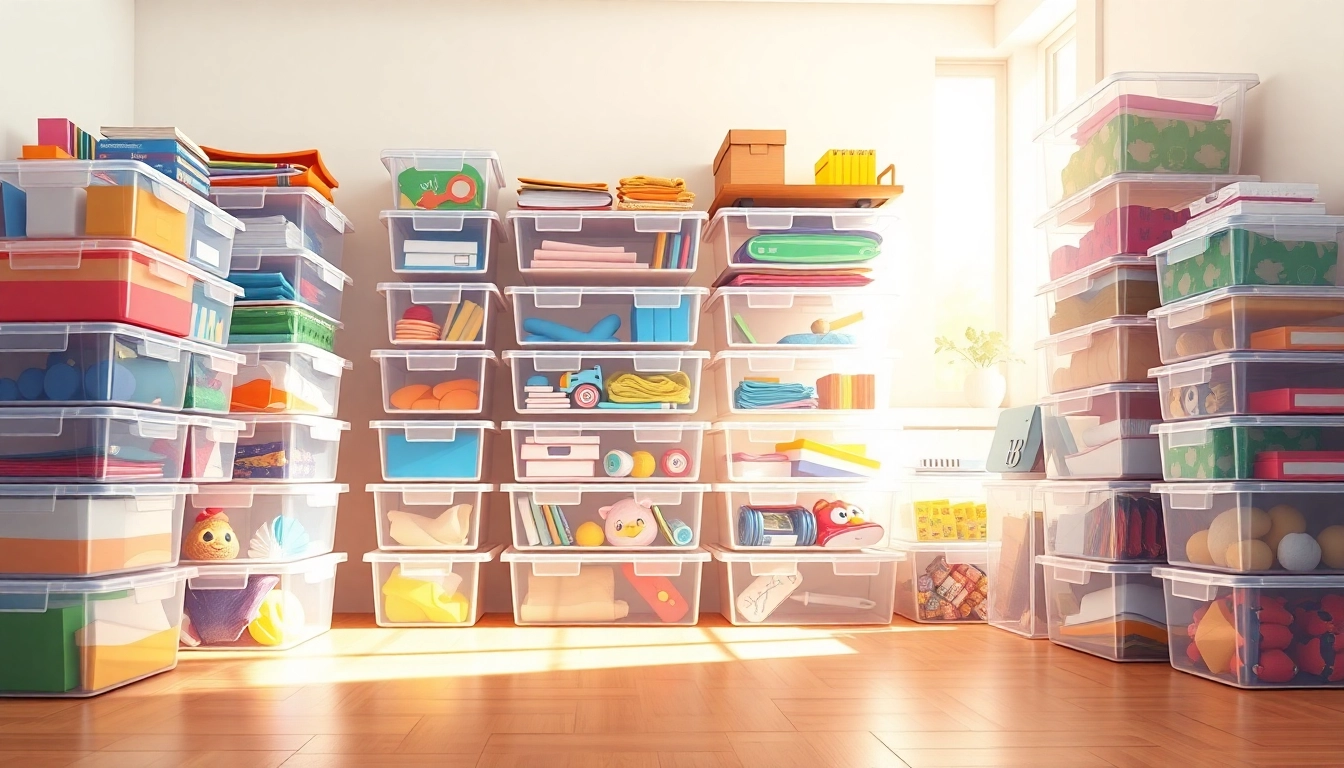
A plastic storage box is a durable container made primarily from plastic, designed to hold various items for organization, storage, and transportation. They typically come with features like secure lids, stackable designs, and differing capacities to suit a range of needs. These boxes can be transparent or opaque, allowing users to quickly identify the contents while providing an option for a more uniform look when using multiple boxes.
Common Uses for Plastic Storage Boxes
The versatility of plastic storage boxes makes them a go-to solution for numerous scenarios:
- Home Organization: They're ideal for decluttering spaces like garages, basements, and closets.
- Office Storage: Perfect for organizing office supplies, paperwork, and equipment.
- Crafting and Hobby Supplies: Artists and crafters can sort their materials efficiently.
- Seasonal Storage: Storing holiday decorations and seasonal clothing becomes easy and efficient.
- Child’s Playroom: Toys can be neatly contained and easily accessible, promoting a tidy environment.
Benefits of Using Plastic Storage Over Other Materials
Choosing plastic storage boxes provides several advantages over alternatives like cardboard or metal. Here are a few key benefits:
- Durability: Plastic is resistant to wear and tear and can often endure physical impact, ensuring contents remain safe.
- Moisture Resistance: Unlike cardboard, plastic boxes are less susceptible to mold and mildew, making them suitable for damp areas.
- Lightweight: Plastics are generally lighter, which is beneficial for transport and manipulation.
- Cost-Effectiveness: They are often more economical in the long run due to their durability and reusability.
Key Features of Plastic Storage Boxes
Size and Shape Variability
Plastic storage boxes are available in an array of sizes and shapes, accommodating different storage needs. From tiny bins for craft supplies to large totes for seasonal decorations, the variations ensure there's a perfect box for every situation. Stackable designs further enhance space efficiency, crucial for areas like closets and garages.
Durability and Weather Resistance
Plastic material is inherently robust, providing excellent resistance against environmental conditions. Many storage boxes come with secure lids that protect against moisture and pests, making them ideal for outdoor storage as well. Moreover, UV-resistant options help prevent degradation from sunlight exposure, ensuring longevity whether stored indoors or out.
Transparency and Accessibility Benefits
Many plastic storage boxes feature transparent designs, allowing users to quickly locate items without opening each box. This characteristic is particularly useful in large storage areas where accessibility is crucial. Additionally, labeled boxes can expedite organization, helping maintain a streamlined approach to storage.
Choosing the Right Plastic Storage Box for Your Needs
Identifying Your Storage Needs
Before purchasing plastic storage boxes, assess what you plan to store. Consider factors like:
- The volume of items.
- Type of items (fragile, heavy, perishable).
- The environment (home, garage, outdoor).
Understanding these variables will guide you in selecting appropriately sized and designed boxes.
Comparing Sizes and Styles
Plastic storage boxes come in an extensive range of styles catering to specific functions. For example, large bins with wheels are ideal for heavy-duty use, while smaller, stackable options are great for optimizing space. Additionally, consider if you prefer lids to be removable or secure, as this can influence how you access stored items.
Cost-Effective Options for Every Budget
Plastic storage boxes are available in various price ranges, making them accessible for most budgets. It’s advisable to balance quality and cost; a higher initial investment in durable materials can yield long-term savings by avoiding the need for replacements.
Best Practices for Organizing with Plastic Storage Boxes
Labeling and Categorizing Contents
One of the most effective strategies for organization is labeling your plastic storage boxes. Clear labels enable quick identification of contents, which saves time and reduces frustration when searching for items. Categories might include:
- Seasonal items (summer, winter).
- Craft supplies.
- Document storage.
- Family memorabilia.
Maximizing Vertical Space with Stackable Designs
To make the most of your available space, utilize stackable plastic storage boxes. This design allows for efficient use of vertical space, which is especially beneficial in smaller areas. Ensure that heavier boxes are placed at the bottom for stability, creating a sturdy storage solution.
Seasonal Organizing Tips Using Plastic Storage Boxes
Organizing by season not only declutters your living space, but it also makes decorations and items easy to access when needed. Use larger containers for decorative items and smaller bins for seasonal clothing or gear. Store these containers strategically to maintain easy access throughout the year.
Maintenance and Care for Plastic Storage Boxes
Cleaning Tips to Ensure Longevity
Cleaning plastic storage boxes helps maintain their appearance and functionality. Use mild soap and water to clean the surfaces, and avoid harsh chemicals that might degrade the plastic. Regularly check for cracks or wear, especially for boxes that have been exposed to the elements or heavy usage.
How to Avoid Common Mistakes When Using Plastic Storage
To ensure that your use of plastic storage boxes is effective, avoid these common mistakes:
- Overpacking: Do not exceed the box’s recommended weight limit, as this can lead to breakage.
- Storing Damp Items: Always dry items thoroughly before placing them in boxes to prevent mold growth.
- Ignoring Temperature Sensitivity: Some plastics can warp in extreme temperatures; avoid such conditions when storing.
When to Replace Your Plastic Storage Boxes
Eventually, plastic storage boxes can wear down. Signs that it's time to replace them include:
- Visible cracks or breaks that compromise integrity.
- Loose or broken lid seals that fail to keep contents protected.
- Extreme discoloration or odor, indicating material degradation.
Regularly assess the condition of your plastic storage boxes to ensure optimal performance and protection for your stored items.
Conclusion
Plastic storage boxes serve an essential role in organizing both personal and professional spaces. Their diverse range of sizes, excellent durability, and convenient accessibility make them an indispensable asset. By following the guidelines and best practices outlined in this article, you can maximize the effectiveness of these storage solutions while maintaining an orderly and clutter-free environment.