

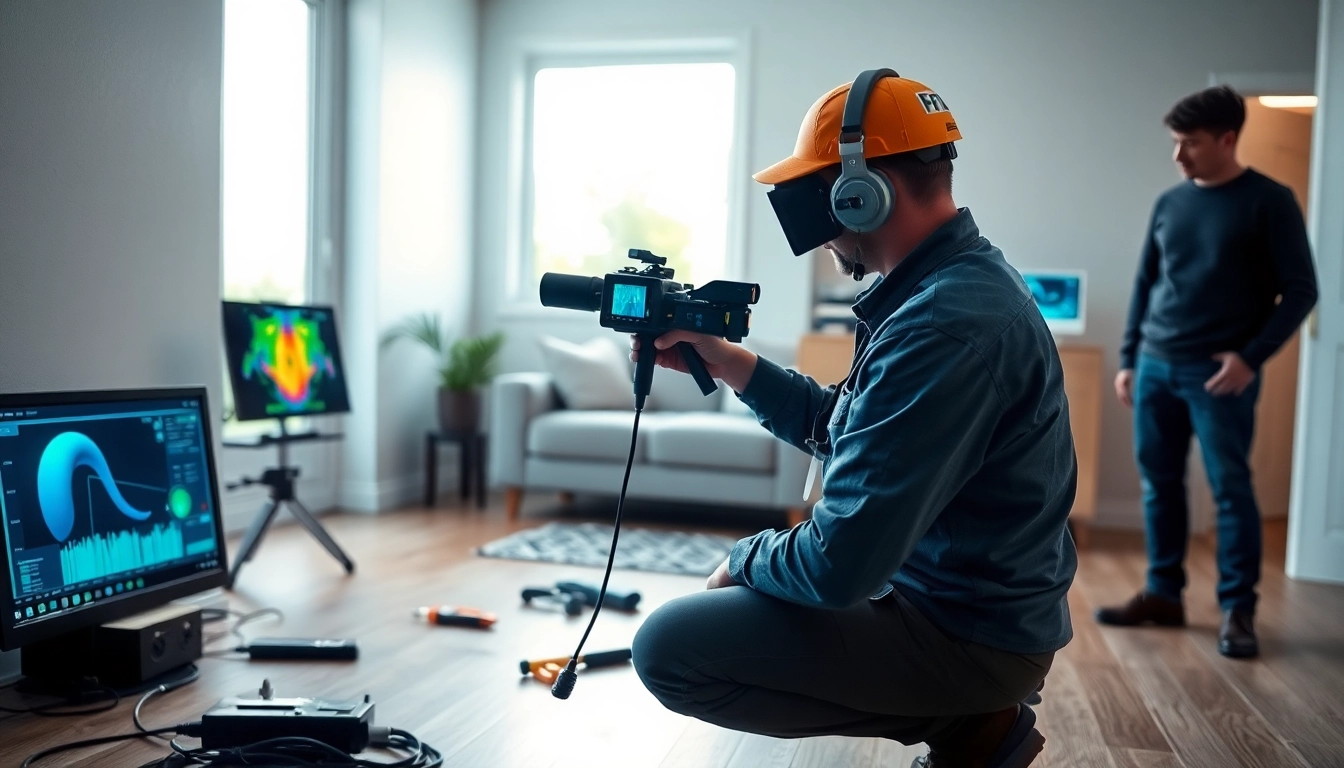
Understanding the Importance of Water Leak Detection
Water leak detection is an essential aspect of maintaining both the safety and efficiency of your home. Undetected leaks can lead to extensive property damage, increased utility bills, and even health hazards from mold and mildew growth. As professionals in leak detection, we understand the urgency and intricacies involved in identifying and repairing leaks effectively. When exploring options, water leak detection services can provide comprehensive insights to protect your investments.
Why Water Leak Detection is Critical for Homeowners
For homeowners, the reality of water leaks is often underestimated. Many assume that visible water damage is the only indicator of a problem. However, leaks can occur in hidden areas, such as behind walls or underground, making early detection vital. The following points highlight why water leak detection should be a priority:
- Prevent Structural Damage: Left unaddressed, leaks can compromise the structure of your home, leading to costly repairs.
- Avoid Health Risks: Mold can develop in damp conditions, putting the health of your family at risk.
- Reduce Water Waste: Efficient leak detection helps conserve water, reducing your overall utility costs.
- Enhance Property Value: Keeping up with leak detection and repairs maintains your home’s market value.
Common Signs of Water Leaks in Your Home
Recognizing the signs of water leaks can save you time and money. Here are some common indications that you might have a leak:
- Unexplained Wet Spots: Puddles or damp areas on walls or floors can indicate a hidden leak.
- Mold Growth: Spots of mold in places that are usually dry are a telltale sign of moisture issues.
- Increased Water Bills: A sudden rise in your water bill without any changes in usage may signal a leak.
- Sound of Running Water: Hearing water running when all fixtures are off may indicate a leak in your plumbing system.
The Potential Damage from Undetected Leaks
While a small drip may seem harmless, it can lead to major issues over time. The potential damage caused by undetected leaks includes:
- Foundation Damage: Continuous water seepage can weaken your home’s foundation, leading to significant structural concerns.
- Electrical Hazards: Water exposure can lead to dangerous electrical issues, increasing the risk of fires.
- Health Hazards: Mold and mildew can cause respiratory problems and allergies.
- Increased Costs: Hidden leaks can lead to skyrocketing water bills and costly repairs if not addressed promptly.
Advanced Technologies in Water Leak Detection
As technology advances, so do the methods used for water leak detection. Utilizing the latest technologies leads to more efficient and accurate detection of leaks. Here’s a closer look at some of these advanced techniques:
How Thermal Imaging Enhances Leak Detection
Thermal imaging cameras detect variations in temperature caused by moisture, making it easier to identify the locations of water leaks within walls and ceilings. This non-invasive method allows technicians to spot issues without needing to open up walls or disrupt your home.
The Role of Acoustic Listening Devices
Acoustic listening devices are crucial for pinpointing the sound of escaping water or gas. These devices can detect leaks that are otherwise invisible, especially in areas where pipes are buried underground or behind structures. This method is particularly effective for locating leaks in quiet environments.
Innovative Methods: Tracer Gas and Pressure Testing
Tracer gas detection involves introducing a safe, odorless gas into the pipe system and tracing its escape point, proving invaluable for small or hard-to-reach leaks. Pressure testing, on the other hand, monitors pressure changes in isolated pipe sections, confirming the presence of leaks without invasive actions, offering a clear indication of where repairs are needed.
Non-Invasive Leak Detection Methods
Minimizing disruption is a key goal of modern leak detection services. Non-invasive methods help prevent damage to your property while accurately locating leaks. Here’s why these techniques are beneficial:
Benefits of Non-Destructive Testing Techniques
Using non-destructive testing techniques, such as thermal imaging and acoustic methods, provides several advantages:
- Preservation of Property: Non-invasive methods protect your walls, floors, and fixtures, avoiding unnecessary repairs.
- Time Efficiency: Quick and accurate detection reduces time spent on repairs and troubleshooting.
- Cost-Effective: Save money by avoiding the high expenses associated with traditional leak repairs.
How to Choose Non-Invasive Services
When seeking non-invasive leak detection services, consider the following:
- Experience: Look for a service provider with proven expertise in the latest leak detection technologies.
- Tools and Technology: Ensure the company is equipped with state-of-the-art technology for detecting leaks.
- Customer Reviews: Research feedback from past customers to gauge service effectiveness and quality.
Real-world Applications and Success Stories
There are numerous instances where advanced leak detection techniques have saved homeowners from extensive damage. For example, a family noticed an unexplained increase in their water bill. After contacting a leak detection specialist, thermal imaging identified a hidden leak behind their bathroom wall, preventing extensive mold damage and costly repairs.
What to Expect During a Professional Leak Detection Service
Engaging a professional leak detection service can provide peace of mind. Here’s what you can expect during a typical service visit:
The Step-by-Step Process of Water Leak Detection
Upon arrival, technicians typically follow a systematic process:
- Initial Assessment: They will inspect your property, looking for visible signs of leaks.
- Utilizing Technology: Advanced tools like thermal cameras and acoustic devices are employed to locate hidden leaks.
- Reporting Findings: A detailed assessment report is created, showcasing areas of concern and the extent of the issues.
Clear Reporting: Understanding Your Leak Assessment
After the inspection, you will receive a comprehensive report that includes:
- Photographic Evidence: Visuals documenting the leak locations.
- Recommendations: Suggested repairs and next steps to resolve the detected leaks.
- Cost Estimates: Potential repair costs and options to consider.
Deciding on Repairs: When to Call a Technician
It’s crucial to act quickly upon discovering a leak. If repairs are recommended, it’s advisable to schedule them promptly to prevent further damage. Regular maintenance and inspections can also help in minimizing the risk of future leaks.
Future Trends in Water Leak Detection Technologies
The field of water leak detection is ever-evolving, with ongoing advancements promising greater efficiency and accuracy. Here’s a look at future trends:
Emerging Tools and Technologies for 2025
Future technologies such as artificial intelligence and machine learning are set to improve leak detection methods. These innovations will enable predictive analytics, helping anticipate issues before they become serious problems.
Predictive Maintenance: Anticipating Leaks Before They Happen
Predictive maintenance utilizes real-time data to forecast potential leaks, allowing proactive measures to be taken. This approach not only saves money but also protects property and minimizes emergency repairs.
Smart Home Integration and Remote Monitoring Solutions
As smart home technology advances, integrating leak detection systems with home automation will become more common. Homeowners will have the ability to monitor their plumbing systems remotely, receiving alerts at the first sign of possible leaks.


