

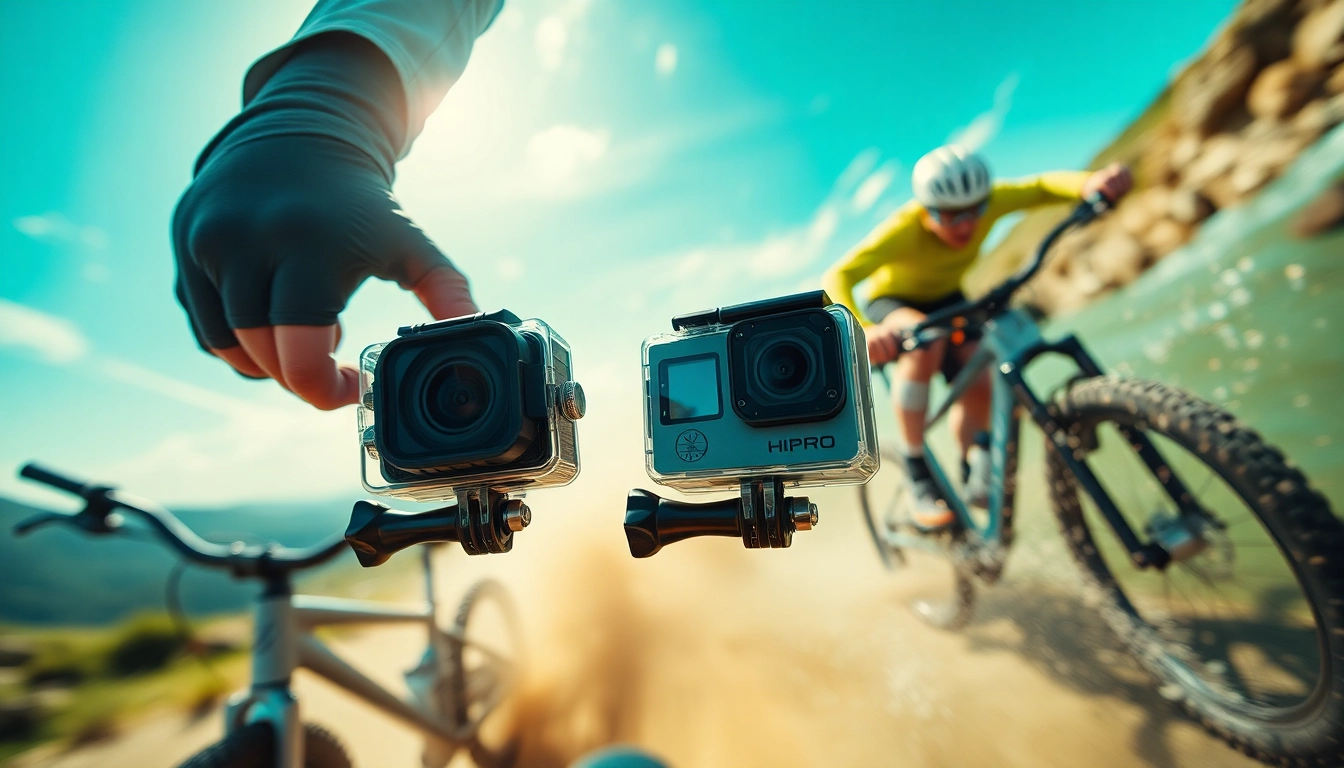
Understanding Action Cameras: The Basics
In the realm of photography and videography, action cameras have carved out a distinctive niche, appealing to adventurers, sports enthusiasts, and everyday creators alike. These compact devices are engineered for high-performance in dynamic environments, allowing users to capture stunning visuals in challenging conditions, from mountain biking to snorkeling. As this technology continues to evolve, understanding the fundamentals of action cameras becomes increasingly important for anyone looking to harness their capabilities.
What is an Action Camera?
An action camera is a small, portable device designed to record high-definition video and take high-resolution photographs in real-time, often in situations where traditional cameras would struggle. Characterized by their robust build, wide-angle lenses, and ability to withstand adverse weather conditions, these cameras are ideal for documenting fast-paced activities. They typically feature integrated stabilization systems to ensure smooth footage, even during intense movements, making them a preferred choice for extreme sports athletes and travel vloggers.
Key Features to Consider
When selecting an action camera, users should evaluate several key features:
- Resolution: Most modern action cameras offer at least 4K video resolution, ensuring sharp and detailed footage.
- Durability: Look for models that are waterproof, shockproof, and dustproof, which can handle various environmental conditions.
- Field of View (FOV): This dictates how much of the scene is captured; options typically include wide, medium, and narrow settings.
- Battery Life: Long-lasting battery performance is crucial for extended filming sessions, especially outdoors.
- Connectivity: Features like Wi-Fi and Bluetooth allow easy transfer and sharing of content through mobile devices.
Popular Brands and Models
Several brands dominate the action camera market, each offering unique features and advantages:
- GoPro: Renowned for its HERO series, GoPro cameras are synonymous with action filmmaking, providing exceptional stabilization and ruggedness.
- DJI: Known for its drones, DJI also offers high-quality action cameras like the Osmo Action, which features dual screens and excellent video quality.
- Insta360: This brand specializes in 360-degree cameras, allowing for immersive filming experiences that capture all angles of an adventure.
- Sony: With models like the FDR-X3000, Sony combines advanced optical stabilization with superior image quality for action shots.
Choosing the Right Action Camera for Your Adventure
Selecting the ideal action camera goes beyond brand names and features. It’s essential to align the camera’s specifications with your specific activities and filming needs.
Assessing Your Needs: Outdoor vs. Indoor Use
Outdoor adventurers may prioritize waterproofing and durability, while users intending to shoot indoors might focus more on low-light performance and additional audio features. Consider your primary use cases:
- Extreme Sports: Models with robust stabilization, high frame rates, and extensive accessories.
- Vlogging: Many vloggers prefer action cameras with front-facing screens and good audio quality for ease of use.
- Travel: Compactness and battery life are crucial for users who shoot footage on-the-go.
Action Camera Types Explained
Within the action camera category, there are various types to consider:
- Traditional Action Cameras: Perfect for capturing high-energy activities, these cameras often come with multiple mounting options and robust features.
- 360-Degree Cameras: Ideal for immersive content creation, these cameras capture everything around them, offering a unique perspective.
- Wearable Cameras: Designed to be attached to helmets, clothing, or gear, these cameras are ideal for hands-free shooting.
Budgeting for Your Action Camera Purchase
Setting a budget is crucial when shopping for an action camera. Prices can range from around $100 for entry-level models to over $500 for high-end devices. Consider additional costs such as:
- Accessories (mounts, tripods, protective cases)
- Extra batteries or chargers
- Editing software for post-production
Best Practices for Using Action Cameras
Arming yourself with the right knowledge and techniques can significantly enhance your filming experience and output quality.
Tips for Capturing Stunning Footage
To ensure you capture high-quality footage, consider the following tips:
- Stabilization: Utilize built-in stabilization features or external gimbals to reduce shaky footage.
- Lighting: Always be aware of your lighting conditions; filming during golden hour can drastically improve your video quality.
- Angle Selection: Experiment with different angles and perspectives to create more dynamic footage.
Understanding Camera Settings
Familiarize yourself with the various settings of your action camera. Key settings include:
- Resolution settings: Choose the right resolution for your project, balancing quality with file size.
- Frame rate: Higher frame rates are necessary for capturing fast action, while lower rates may suffice for general scenes.
- White balance: Adjusting this setting can help you achieve more accurate colors depending on your filming conditions.
Mounting Options for Various Activities
Choosing the correct mount can be as crucial as selecting the right camera. Here are some popular mounting options:
- Helmet Mounts: Perfect for cyclists or skiers, they provide a direct view of the action.
- Chest Mounts: Ideal for capturing immersive first-person perspectives.
- Selfie Sticks: Great for vlogging and capturing your reactions on the go.
Editing and Sharing Your Action Camera Footage
Once you’ve captured your footage, the next step is to edit and share it effectively.
Popular Editing Software for Action Cam Videos
Several software options can enhance your action camera footage:
- Adobe Premiere Pro: A professional-grade editing software offering robust features for detailed editing.
- Final Cut Pro: Ideal for Mac users, it provides seamless integration with Apple devices and extensive editing tools.
- GoPro Quik: A user-friendly option specifically designed for GoPro footage, allowing for quick edits and sharing.
Sharing on Social Media: Best Practices
To maximize engagement on social media platforms, consider these best practices:
- Short Clips: Keep videos concise to maintain viewer interest, especially on platforms like Instagram.
- Hashtags: Use relevant hashtags to increase visibility and reach.
- Consistency: Post regularly to build an audience and engage with viewers through comments and direct messages.
Creating Engaging Content from Your Videos
Creating content that resonates with your audience requires more than just posting footage. Engage viewers by:
- Storytelling: Create a narrative around your footage, whether it’s a travel adventure or an extreme sports event.
- Interactivity: Encourage viewer participation through polls or questions related to your content.
- Quality Thumbnails: Invest time in creating eye-catching thumbnails to improve click-through rates.
The Future of Action Cameras: Trends for 2025 and Beyond
As technology advances, action cameras are likely to continue evolving, incorporating new features and capabilities.
Innovative Technology in Action Cameras
Emerging technologies such as artificial intelligence and machine learning are beginning to influence action camera design:
- AI for Stabilization: Enhanced AI algorithms can provide better stabilization than traditional methods.
- Smart Features: Voice control and automated editing features are set to streamline the user experience.
- Augmented Reality: Integration of AR features for real-time effects and enhancements during filming.
Emerging Trends in Adventure Filmmaking
The content creation landscape is shifting, with several trends emerging:
- Live Streaming: The ability to stream adventures in real-time is becoming more accessible with improved connectivity.
- Collaborative Projects: Increasing focus on team projects that showcase multiple perspectives on shared adventures.
- Sustainability Focus: Emphasis on eco-friendly practices in filming and production.
Community and Collaboration in Action Sports
As the action sports community continues to grow, collaboration among filmmakers, brands, and athletes is fostering a more interconnected environment. Platforms for sharing footage and experiences can create opportunities for users to learn from one another and inspire new content ideas.
In summary, understanding the nuances of action cameras, from their technical specifications to practical applications, can significantly enhance your filming experience. By staying informed about current trends and best practices, you’re well-equipped to capture and share your adventures in exciting new ways.
