Understanding Aluminum Die Casting in Malaysia
Aluminum die casting is a highly efficient method of producing high-precision parts, widely utilized across various industries, especially in Malaysia. As a world-class die casting manufacturer, aluminum die casting malaysia has emerged as a strong player due to its numerous capabilities and applications. The process not only enhances productivity but also ensures that the final products meet stringent quality standards required in today’s competitive market.
What is Aluminum Die Casting?
Aluminum die casting is a manufacturing process where molten aluminum is injected into a mold under high pressure. This technique enables the creation of complex shapes and intricate details, significantly reducing the need for machining and secondary operations. It results in smoother surfaces and tighter tolerances, making it an ideal choice for industries requiring high precision.
The Advantages of Aluminum in Die Casting
Aluminum is favored in die casting due to its lightweight and strong properties. Some key advantages include:
- Weight Efficiency: Aluminum parts are significantly lighter than those made from steel or iron, making them suitable for lightweight applications.
- Corrosion Resistance: Aluminum naturally forms a protective oxide layer, providing excellent corrosion resistance, which is crucial for outdoor and automotive applications.
- Thermal Conductivity: With superior thermal conductivity, aluminum die castings can efficiently dissipate heat, making them ideal for electronic applications.
- Recyclability: Aluminum is 100% recyclable without loss of properties, aligning with sustainability practices that are increasingly important in the manufacturing sector.
Industry Overview: Aluminum Die Casting in Malaysia
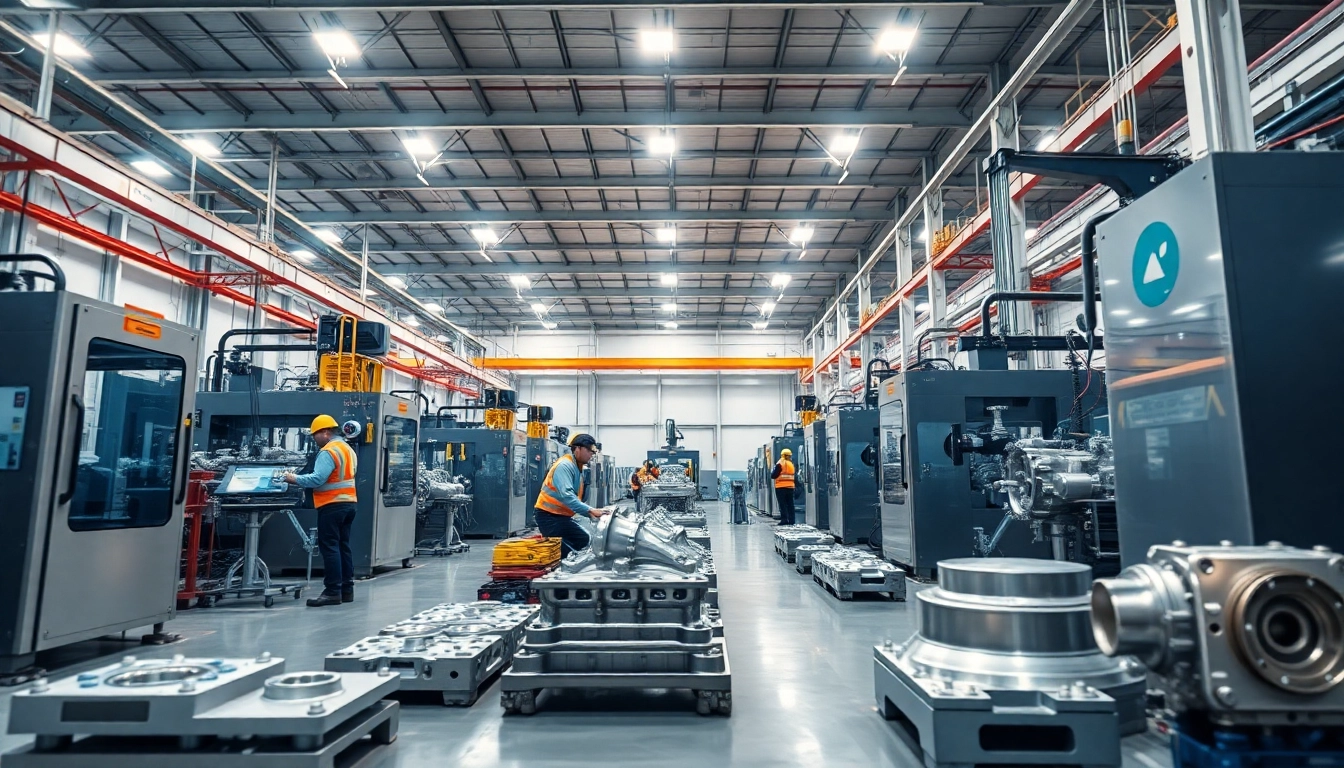
The aluminum die casting sector in Malaysia has seen substantial growth over the years, fueled by increased demand from automotive, electronics, and consumer goods industries. Companies like Sena Diecasting have established themselves as leaders by leveraging advanced technologies and skilled labor to produce high-quality cast components. The local industry is well-supported by both government initiatives and private investments aimed at enhancing manufacturing capabilities and global competitiveness.
Key Processes in Aluminum Die Casting
Die Design and Manufacturing Techniques
Effective die design is crucial for successful aluminum die casting. Different techniques such as conventional die casting, semi-solid die casting, and pressure die casting are employed depending on the complexity of the part and production volume. The choice of die material also plays a pivotal role; materials like tool steel or aluminum are commonly used for their durability and ability to withstand high pressures.
Melting and Pouring Aluminum: Best Practices
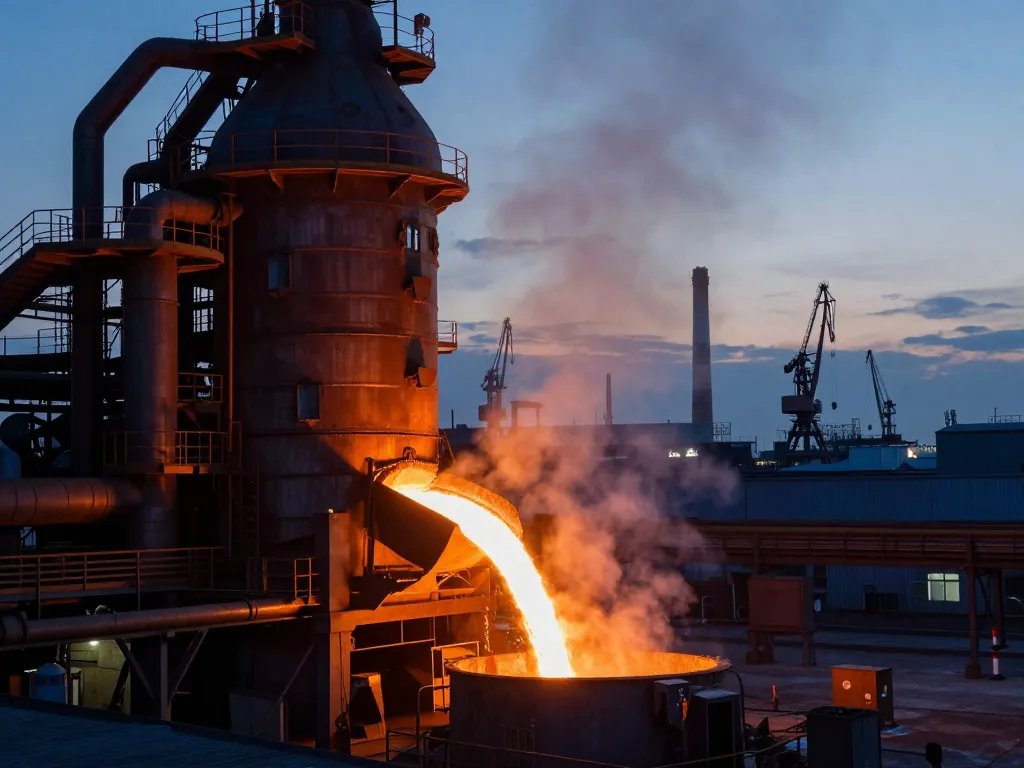
Melting aluminum requires precise temperature control to ensure optimal pouring conditions. Typically, aluminum is melted in either electric or gas furnaces. Best practices involve:
- Maintaining temperatures between 720°C to 750°C to minimize oxidation.
- Utilizing flux to remove impurities and enhance the quality of the molten metal.
- Pouring the aluminum quickly and steadily to prevent unwanted reactions that could compromise the integrity of the casting.
Cooling and Finishing: Ensuring Quality
Post-casting cooling is a critical phase that affects the mechanical properties of the final product. Water or air cooling is commonly used, depending on the desired cooling rate. After cooling, finishing processes such as trimming, machining, and surface treatments (like anodizing or powder coating) are performed to achieve the required surface quality and specifications.
Applications of Aluminum Die Casting
Automotive Industry Innovations
The automotive industry heavily relies on aluminum die casting for manufacturing components like engine blocks, transmission housings, and structural parts. The lightweight nature of aluminum contributes to fuel efficiency and lower emissions, aligning with global trends toward sustainability in automotive design.
Consumer Electronics Manufacturing
Aluminum die casting is integral to consumer electronics, providing enclosures and structural components for devices like smartphones, laptops, and home appliances. The ability of aluminum to dissipate heat efficiently makes it an excellent choice for electronic applications, ensuring device longevity and performance.
Manufacturing for Aerospace and Defense
In aerospace and defense, aluminum die casting is used for critical components that must meet rigorous safety and performance standards. Its lightweight yet durable characteristics make it suitable for aircraft frames, engine components, and military equipment, all requiring high precision and reliability.
Challenges in the Aluminum Die Casting Sector
Addressing Defects in Cast Parts
Defects such as porosity, surface imperfections, and dimensional inaccuracies pose significant challenges in aluminum die casting. Implementing stringent quality control measures and advanced inspection techniques can mitigate these issues, ensuring that the final products meet required specifications.
Managing Environmental Impact and Recycling
As environmental regulations become more stringent, the aluminum die casting industry faces pressure to reduce waste and improve recycling processes. Innovations in technology and processes, such as closed-loop systems that recycle scrap aluminum, are essential for addressing environmental concerns while maintaining productivity.
Cost Management and Production Efficiency
Balancing cost management with production efficiency is a critical consideration for manufacturers. Investing in automation and advanced die casting technologies can streamline production processes and reduce operational costs, enabling companies to remain competitive in the global market.
Future Trends in Aluminum Die Casting
Technological Advancements: Automation and AI
Automation and artificial intelligence (AI) are transforming the aluminum die casting landscape. By implementing smart manufacturing systems, companies can enhance productivity, improve quality control, and reduce downtime. Integration of AI in predictive maintenance can also optimize equipment performance and lifecycle management.
Sustainability Practices in Die Casting
As sustainability becomes a central focus for manufacturers, the adoption of eco-friendly materials and processes in aluminum die casting is on the rise. Companies are increasingly incorporating renewable energy sources and advanced recycling methods to minimize their carbon footprint and contribute to a circular economy.
Predictions for the Aluminum Die Casting Market in 2025
The aluminum die casting market is expected to grow significantly by 2025, driven by rising demand in key sectors such as automotive and electronics. According to industry forecasts, advancements in die casting technology and increased focus on lightweight materials will support this growth, enabling manufacturers to produce high-quality, efficient components at competitive prices.