
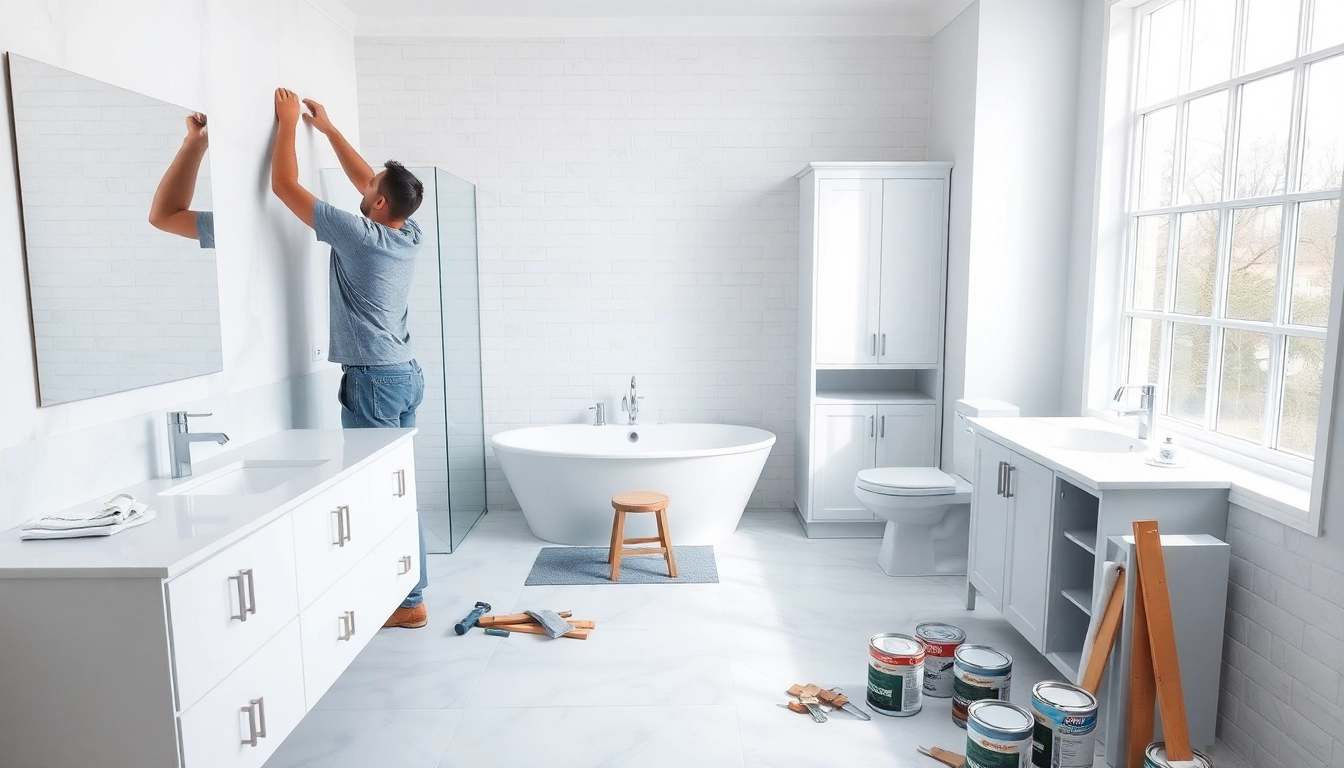
Understanding the Role of a Bathroom Remodeling Contractor
What Does a Bathroom Remodeling Contractor Do?
A bathroom remodeling contractor specializes in renovating and enhancing bathroom spaces, ensuring that each project meets the unique needs and styles of homeowners. Their role encompasses a wide range of tasks, including design consultation, material selection, plumbing and electrical work, installation, and project management. They are the key point of contact throughout the remodeling process, from the initial consultation to the project's completion.
Bathroom remodeling contractors take the lead in coordinating with subcontractors such as plumbers and electricians, ensuring that all work adheres to local building codes and safety regulations. Their expertise enables them to foresee potential challenges, manage timelines, and keep the project within budget. Homeowners looking to transform their bathrooms into functional and aesthetically pleasing spaces can greatly benefit from hiring a skilled Bathroom Remodeling Contractor.
Key Qualities to Look For
When selecting a bathroom remodeling contractor, several qualities are essential to ensure a successful partnership and project outcome:
- Experience: A contractor with ample experience in bathroom renovations will be familiar with common pitfalls and best practices.
- Communication Skills: Clear and effective communication is crucial in understanding client needs and managing expectations.
- Reputation: Look for contractors with positive reviews and a portfolio of completed projects that reflect their quality of workmanship.
- Licensing and Insurance: Ensure the contractor has the necessary licenses and insurance to protect both parties during the project.
- Problem-Solving Skills: Remodeling often involves unexpected issues; a good contractor should be able to devise practical solutions quickly.
The Importance of Experience in Bathroom Remodeling
Experience in bathroom remodeling brings several advantages. Experienced contractors are well-versed in various design trends, materials, and the complexities of renovating older bathrooms.
For instance, they can identify structural issues that may not be apparent to the untrained eye, such as water damage or outdated plumbing systems. Their familiarity with the remodeling process allows them to estimate project costs more accurately, offer valuable design insights, and foresee potential complications, making the overall experience smoother and more efficient for homeowners.
How to Choose the Right Bathroom Remodeling Contractor
Assessing Contractor Credentials and Reviews
Before finalizing a contractor, conduct thorough research to assess their credentials:
- Online Reviews: Browse platforms like Yelp and Houzz to gauge client satisfaction and identify any red flags in their performance.
- Portfolio: Review their previous work to ensure their style aligns with your vision.
- References: Ask for and contact references to obtain firsthand feedback on their work ethic, professionalism, and quality.
Questions to Ask During Consultations
During initial consultations, asking the right questions can provide valuable insights into a contractor’s qualifications and approach:
- What is your experience in bathroom remodeling specifically?
- Can you provide a detailed estimate, including labor and materials?
- How will you handle unforeseen issues that arise during the project?
- What is the estimated timeline for the remodel?
- Do you have insurance and appropriate licenses?
Evaluating Cost Estimates and Project Timelines
Understanding cost estimates and project timelines is essential for setting realistic expectations. When evaluating quotes:
- Itemized Estimates: Ensure the estimate breaks down the costs for materials, labor, permits, and contingencies.
- Comparative Bids: Compare estimates from multiple contractors to ensure you're receiving a fair price for the work to be performed.
- Project Timeline: Request a timeline that outlines each phase of the project, including any potential delays.
Planning Your Bathroom Remodel: Steps Involved
Setting a Realistic Budget with Your Contractor
A well-defined budget is crucial in ensuring that your bathroom remodeling project does not become financially burdensome. Start by discussing your budget range with your contractor, who can provide guidance on how to allocate funds effectively across various aspects such as materials, fixtures, labor, and unforeseen expenses.
Break down the budget into categories, factoring in the cost of labor, materials, and potential change orders. For instance, structural modifications may require additional funds, so it's wise to allocate a percentage of the total budget for contingencies.
Selecting Materials and Design Styles
The selection of materials and design styles plays a pivotal role in the overall functionality and aesthetic appeal of the remodeled bathroom. When choosing materials:
- Durability: Opt for materials that can withstand moisture and wear, such as porcelain tiles or quartz countertops.
- Style: Consider the design style that reflects your taste — be it modern, classic, or rustic.
- Functionality: Choose fixtures that meet both aesthetic desires and practical needs, including storage solutions and lighting.
Understanding Local Building Codes and Permits
Before starting any remodeling work, it's crucial to be aware of local building codes and obtain any necessary permits. Bathroom renovations often require permits, especially if they involve plumbing or electrical changes. Your contractor should be knowledgeable about these regulations and help secure permits on your behalf. Failing to comply with local codes can lead to fines or complications during the sale of your home down the line.
Common Challenges in Bathroom Remodeling Projects
Dealing with Unexpected Structural Issues
No remodel is without surprises, and structural problems are a common challenge in bathroom renovations. Whether it’s ancient plumbing, mold behind walls, or subpar construction from previous renovations, these issues can halt progress and inflate costs. To mitigate these problems:
- Thorough Inspections: Conduct comprehensive inspections and assessments before starting work to identify potential issues.
- Flexibility: Prepare to adjust your plan and budget accordingly when unexpected problems arise.
- Expertise: Rely on your contractor’s expertise to address structural concerns effectively, potentially saving you money in the long run.
Managing Delays and Scheduling Conflicts
Timelines can stretch for various reasons, from delays in material delivery to scheduling conflicts with subcontractors. Effective communication with your contractor can help you stay informed about project status and prevent major delays. Consider implementing a project management system or regular check-ins to monitor progress and make necessary adjustments to the schedule.
Solutions for Budget Overruns
Budget overruns are a common concern during remodeling projects. To avoid financial strain:
- Contingency Funds: Set aside a contingency budget of around 10-15% of your total project cost.
- Regular Monitoring: Keep track of all expenses throughout the remodeling process to ensure you're staying within budget.
- Prioritizing Needs vs. Wants: Clearly distinguish between essential improvements and desired upgrades, adjusting plans as necessary to keep costs in check.
Measuring Success: Post-Remodel Considerations
Evaluating the Quality of Work Done
Once the remodeling is complete, take the time to evaluate the craftsmanship. Consider aspects such as the fine details of installation, finishes, and overall functionality. If there are any issues, discuss them with your contractor immediately to address concerns while still within the warranty period.
Gathering Feedback from Users
Feedback from family members or regular users of the bathroom can provide valuable insights into the success of the remodel. Are the new fixtures functional? Is there sufficient storage? Gathering this feedback can help you understand whether your project met its goals and identify any areas for further improvement.
Maintenance Tips for Long-Term Satisfaction
To ensure the longevity and functionality of your remodeled bathroom, implement a maintenance routine:
- Regular Cleaning: Use appropriate cleaning agents to maintain the quality of your new materials.
- Check for Leaks: Regularly inspect plumbing fixtures for leaks to prevent water damage.
- Schedule Periodic Maintenance: Hire professionals for seasonal check-ups to ensure everything remains in working order.