
Understanding Specialist Leak Detection
Leak detection is a vital service for homeowners and businesses alike, addressing a range of concerns from hidden water leaks to more catastrophic plumbing failures. Specialist leak detection employs advanced techniques and professional expertise to identify and resolve these issues before they escalate into major problems. Understanding the nuances of this process is essential for ensuring the safety and longevity of your property. You can explore the value of Specialist Leak Detection services to better appreciate their importance.
What Does Specialist Leak Detection Involve?
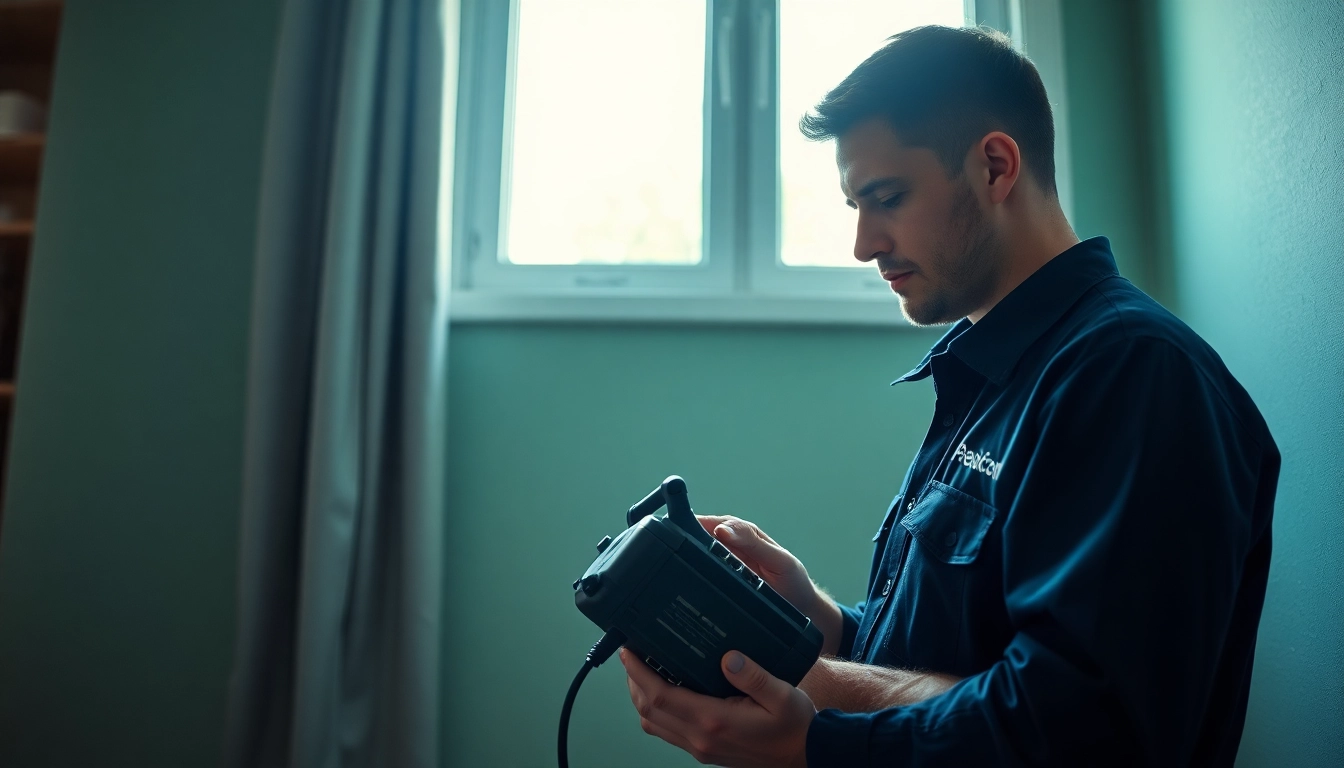
Specialist leak detection involves using highly sophisticated methods to detect leaks that are not immediately visible. Traditional methods often rely on guesswork and can lead to unnecessary damage to property. In contrast, specialists utilize non-invasive techniques such as acoustic listening devices, infrared thermography, and moisture meters. These tools allow for the pinpointing of leaks behind walls, under floors, or in underground piping without the need for extensive digging or demolition.
The process begins with an initial consultation, where the technician gathers information from the homeowner regarding any noticeable signs of leaks, such as damp spots, mold, or unusual increases in water bills. Following this, a thorough inspection is conducted, leading to carefully targeted testing to locate and identify the source of the leak.
The Importance of Professional Expertise
Expertise in leak detection is crucial, as the implications of overlooking a small leak can be significant and costly. Trained professionals possess a deep understanding of plumbing systems and know how to interpret various signs of leakage that an untrained eye might miss. Their experience enables them to differentiate between various types of leaks and their potential impacts on the property. Furthermore, the use of state-of-the-art equipment requires specialized knowledge for optimal operation and accurate readings.
Tools Used in Specialist Leak Detection
The efficiency of leak detection relies heavily on the tools employed. Here are some of the most commonly used tools in the industry:
- Acoustic Listening Devices: These detect sounds made by leaking water, allowing technicians to locate leaks behind walls or underground.
- Infrared Cameras: Thermal imaging detects heat variations in walls or floors, indicating moisture presence without invasive actions.
- Moisture Meters: These measure the moisture content in materials, helping identify water presence in otherwise unaffected areas.
- Video Inspection Cameras: Used to inspect pipes and plumbing systems internally, offering clear insight into blockages or leaks.
Common Leak Problems and Their Impact
Identifying Hidden Water Leaks
Hidden water leaks can occur in various places within a property, including behind walls, under floors, or within the foundation itself. Identifying them is pivotal because they can lead to significant damage if left unchecked. Signs of hidden leaks can be subtle, including slight increases in utility bills, water stains, and even mold growth. Regular inspections by a specialist can help catch these problems before they escalate into more serious issues requiring extensive repair work.
Preventing Structural Damage
Failing to detect early signs of leaks can lead to severe structural damage over time. Water can erode foundational materials, weaken structural integrity, and promote the growth of mold. Such outcomes not only compromise the safety of a building but can also lead to costly repairs and renovations. Professional leak detection is essential to preserving the integrity of a property by addressing issues promptly before they result in irreversible damage.
Assessing Financial Implications of Delayed Detection
The financial implications of delayed leak detection can be staggering. Beyond the immediate cost of increased water bills, unresolved leaks can lead to larger repair bills associated with structural damage, mold remediation, and potential loss of property value. Investing in specialist leak detection services can save homeowners substantial amounts of money in the long run, making it a wise financial decision.
Benefits of Hiring a Specialist for Leak Detection
Cost Savings Through Early Detection
One of the primary benefits of hiring a specialist for leak detection is the potential for cost savings. Early detection means that homeowners can address minor leaks before they grow into larger issues requiring extensive repairs. This proactive approach not only reduces costs associated with repairs but can also lower monthly water bills, as leaks often contribute to significant water loss.
Minimizing Property Damage Risks
Engaging a leak detection specialist significantly minimizes the risk of property damage. By identifying and resolving leaks swiftly, property owners can avoid the complications associated with water damage, such as rot, mold, and insect infestations. Safeguarding the home from such risks is crucial for maintaining both property value and the health of its inhabitants.
Enhancing Home Safety and Comfort
Beyond financial implications, leaks can also compromise home safety and comfort. Excess moisture can lead to mold growth, which poses health risks for occupants. Moreover, structural vulnerabilities arising from water damage can make environments unsafe. By investing in specialist leak detection, homeowners enhance both the safety and comfort levels within their living spaces.
Steps Involved in the Leak Detection Process
Initial Assessment and Inspection
The leak detection process begins with a comprehensive assessment and inspection by a qualified technician. During this phase, the technician evaluates visible signs of leaks, reviews past plumbing issues, and gathers detailed information from the homeowners. This collaborative approach ensures a holistic understanding of the property’s plumbing infrastructure and any specific concerns that need addressing.
Technology Utilization for Precise Detection
Following the initial assessment, technicians employ advanced technology to locate leaks accurately. Utilizing acoustic listening devices, infrared cameras, moisture meters, and other specialized tools allows for precise detection with minimal intrusion. This not only enhances the accuracy of the findings but also significantly reduces the amount of disruption to the property.
Implementing Solutions for Identified Issues
Once the source of the leak is identified, the next step involves implementing appropriate solutions. Depending on the severity and location of the leak, specialists may carry out immediate repairs or provide recommendations for further action. This phase also includes a detailed report outlining the findings and work performed, ensuring the homeowner is well-informed about their property’s plumbing situation.
Evaluating the Best Practices for Leak Detection
Regular Maintenance for Preventive Measures
Regular maintenance is key to preventing leaks from becoming a problem in the first place. Homeowners should consider professional leak detection services as part of their routine maintenance schedule. Annual or biannual inspections can identify early warning signs and allow for proactive measures, preserving the effectiveness and safety of both plumbing systems and the property as a whole.
Choosing the Right Specialist for Your Needs
Selecting the right leak detection specialist is vital for ensuring quality service and accurate results. Homeowners should look for providers with relevant certifications, experience, and positive client reviews. Consulting with multiple specialists can also provide insight into different service options and pricing, empowering homeowners to make informed decisions.
Performance Metrics to Consider
When evaluating leak detection services, homeowners should consider several performance metrics. These may include response times, success rates in leak detection, the thoroughness of inspections performed, and customer satisfaction ratings. Moreover, understanding the technology and methods used by the specialist can indicate their commitment to delivering high-quality results.