Overview of the Mount Everest Base Camp Trek
The mount Everest base camp trek is not only a journey to one of the most iconic locations on Earth; it is a profound exploration into the heart of the mighty Himalayas. Nestled in Nepal, this trek offers adventurers breathtaking views, rich cultural experiences, and the challenge of high-altitude trekking. The trek generally spans 14 days, with trekkers ascending as high as 5,364 meters at Everest Base Camp (EBC). Throughout this journey, participants encounter stunning landscapes, diverse flora and fauna, and the warmth of the Sherpa hospitality, making it a holistic adventure for every nature lover and thrill-seeker.
History and Significance of the Trek
The Everest Base Camp Trek has a storied history that dates back to Sir Edmund Hillary and Tenzing Norgay’s historic ascent of Mount Everest in 1953. Following their path, thousands of trekkers from around the globe now traverse these ancient trails each year. The trek serves not just as a route to the base of the world's highest peak but also as a means of connecting with the local Sherpa culture, filled with traditions, festivals, and a deep reverence for the mountains.
Physical Requirements and Fitness Level
While the trek is accessible to many, it does require a reasonable level of physical fitness. Trekking to Everest Base Camp involves walking for 5 to 8 hours daily, often on steep and uneven terrain. Prior trekking experience can be beneficial, but dedicated preparation including cardiovascular training, strength workouts, and hiking in various conditions will prepare most individuals for the physical demands of this journey.
What to Expect on the Trek
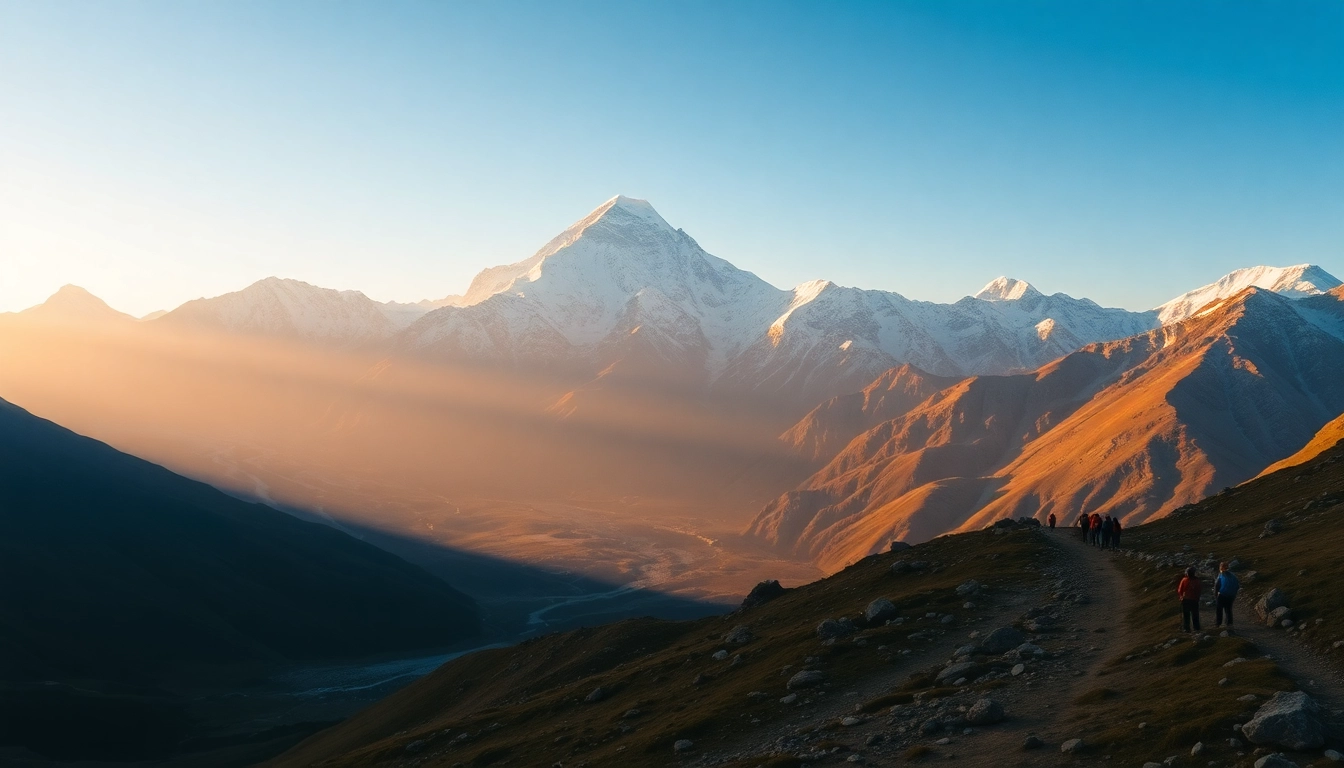
Trekking to Everest Base Camp is not merely a test of physical strength; it is an immersive experience that includes varying weather conditions, stunning vistas, and cultural encounters. Expect to traverse lush forests, cross suspension bridges, pass traditional teahouses, and witness the majestic peaks of the Khumbu region. The combination of breathtaking scenery, challenging trails, and cultural richness makes this trek uniquely rewarding.
Essentials for Planning Your Trek
Choosing the Right Trekking Company
Selecting a reputable trekking company is critical for a successful expedition to Everest Base Camp. Look for companies with experienced guides, transparent policies, emergency protocols, and strong customer reviews. A good trekking company will also provide necessary permits, accommodation, and support throughout the trek.
Creating a Packing List for Mount Everest Base Camp Trek
A well-thought-out packing list can mean the difference between an enjoyable journey and a miserable one. Essential items include:
- Sturdy hiking boots
- Warm layers (thermal base layers, fleece jackets, insulated jackets)
- Waterproof gear (jacket and trousers)
- Sleeping bag rated for -15°C or lower
- First-aid kit and personal medications
- Water purification tablets
- Sunglasses and sunscreen
- Snacks and energy bars
The Importance of Travel Insurance
Travel insurance is crucial for trekkers venturing into remote regions like the Everest area. A comprehensive plan should cover medical emergencies, trip cancellations, and unexpected evacuations due to altitude sickness or other health issues. Ensure that your policy explicitly includes high-altitude trekking coverage up to the maximum elevation of your itinerary.
Step-by-Step Itinerary for the 14-Day Trek
Day-by-Day Breakdown of Activities
Below is a detailed day-by-day itinerary of the Everest Base Camp Trek:
- Day 1: Arrive in Kathmandu and transfer to your hotel.
- Day 2: Fly to Lukla and trek to Phakding.
- Day 3: Trek from Phakding to Namche Bazaar.
- Day 4: Acclimatization day in Namche, hike to Hotel Everest View.
- Day 5: Trek from Namche to Tengboche.
- Day 6: Trek from Tengboche to Dingboche.
- Day 7: Acclimatization day in Dingboche, hike Nagkartshang Peak.
- Day 8: Trek from Dingboche to Lobuche.
- Day 9: Trek from Lobuche to Everest Base Camp and return to Gorak Shep.
- Day 10: Early morning hike to Kala Patthar and descend to Pheriche.
- Day 11: Trek from Pheriche to Namche Bazaar.
- Day 12: Trek from Namche Bazaar to Lukla.
- Day 13: Fly back to Kathmandu.
- Day 14: Transfer to the airport for your departure.
Acclimatization Strategies
Acclimatization is vital for high-altitude trekking, and the itinerary thoughtfully includes rest days to help trekkers adjust. Engage in light walks, stay hydrated, and avoid exertion during these acclimatization days to enhance your body's ability to adapt to thinner air.
Key Highlights on the Route
While trekking to Everest Base Camp, be sure not to miss:
- The scenic town of Namche Bazaar, the Sherpa capital.
- Tengboche Monastery, the largest in the region.
- Stunning views of iconic peaks like Ama Dablam, Nuptse, and, of course, Everest.
- The vibrant rhododendron forests in spring.
Cost and Budgeting for the Mount Everest Base Camp Trek
Average Costs and Expenses
The cost of the Everest Base Camp trek can vary widely based on the trekking company you choose, the services included, and personal expenditures. Generally, the price for a standard trek package starts around $1,650 per person and can go up to $4,500 for luxury options. Key factors influencing costs include:
- Accommodation quality
- Transport and domestic flights
- Permits and fees
- Meals and guide/porter fees
Tips for Budgeting During the Trek
While trekking, it's essential to keep a budget for daily expenses such as snacks, beverages, and tips for guides and porters. Expect to spend approximately $15-$20 per day for these extras. Always carry some local currency, and consider the added costs for hot showers and charging devices, which can add up.
Understanding Additional Fees and Tipping Guidelines
Tipping is customary in Nepal, especially for guides and porters. A general guideline is to tip around 10% of the total trek cost, proportionally divided among the staff. This practice not only shows appreciation for their hard work but also helps sustain their livelihoods.
Health and Safety Considerations
Preventing Altitude Sickness
Altitude sickness can be a critical concern during the Everest Base Camp trek. Symptoms can vary from mild headaches to severe complications. To minimize risks, gradual ascent, proper hydration, and acclimatization rest days are strongly advised. Consider carrying medication like Diamox, which can aid in acclimatization.
Emergency Protocols and First Aid on the Trek
Emergency protocols should be clearly understood before beginning the trek. Carry a personal first-aid kit, and ensure that your trekking guides are trained in first aid and have access to emergency evacuation plans. Portable Altitude Chambers (PAC) are available in some areas to manage altitude sickness until descent can be made.
Preparing Your Body for High-Altitude Hiking
Physical preparation is crucial for tackling the Everest Base Camp trek. Regular cardiovascular workouts, strength training, and hiking at varying elevations are recommended to build the endurance necessary for long days on the trail. Additionally, practicing mindfulness techniques such as meditation can enhance mental resilience during the trek.