Understanding Corneal Health and Disease
The cornea plays a vital role in maintaining our vision and overall eye health. As the transparent front layer of the eye, it protects the eye and helps focus light onto the retina. A healthy cornea is essential for clear vision, yet many individuals suffer from various corneal diseases that can significantly impact their quality of life. This article will explore the functions of the cornea, common disorders affecting it, and the importance of consulting a cornea specialist Abu Dhabi when necessary.
What Is the Cornea and Its Functions?
The cornea is a dome-shaped, transparent tissue that covers the front of the eye. It serves several crucial functions:
- Light Refraction: The cornea bends (refracts) incoming light rays to help focus them onto the retina at the back of the eye.
- Protection: It acts as a physical barrier against dust, germs, and other harmful particles.
- Fluid Regulation: The cornea helps maintain the eye's internal pressure, which is essential for optimal vision.
- Nourishment: It receives nutrients from tears and the aqueous humor, the fluid in the eye.
Common Corneal Diseases and Disorders
There are several diseases and disorders that can affect the cornea, leading to discomfort and vision impairment. Some of the most common include:
- Keratoconus: A progressive thinning of the cornea that leads to distortion of vision.
- Cataracts: Clouding of the lens involves the cornea indirectly, as both are parts of the eye contributing to clear vision.
- Corneal Ulcers: Open sores on the cornea caused by infections or injuries.
- Fuchs' Dystrophy: A genetic disorder that affects the innermost layer of the cornea, leading to swelling and vision changes.
Signs You Need to See a Cornea Specialist
If you experience any of the following symptoms, it may be time to consult a cornea specialist:
- Pain or discomfort in the eye
- Blurred or distorted vision
- Increased sensitivity to light
- Redness or a feeling of grittiness in the eye
- Persistent tearing or discharge from the eye
The Role of a Cornea Specialist in Eye Care
Cornea specialists are ophthalmologists with additional training and expertise in diagnosing and treating corneal diseases. Their specialized knowledge enables them to provide comprehensive care tailored to each patient's needs.
What to Expect During Your Consultation
During your visit, the cornea specialist will conduct a thorough eye examination, which may include:
- Visual acuity tests to assess how well you see at various distances.
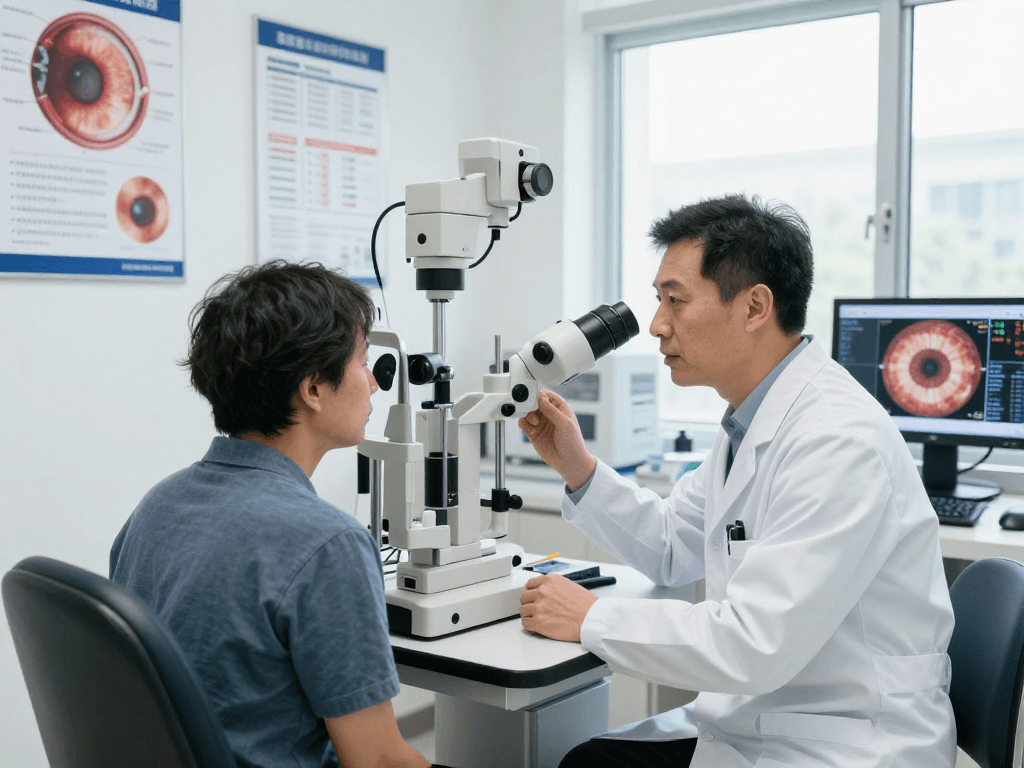
- Slit-lamp examination to closely examine the structures of the eye.
- Pachymetry to measure the thickness of the cornea.
- Corneal mapping, if necessary, for conditions like keratoconus.
Techniques and Technologies Used by Cornea Specialists
Cornea specialists utilize advanced techniques and technologies to diagnose and treat corneal diseases:
- Optical Coherence Tomography (OCT): A non-invasive imaging test that provides high-resolution images of the cornea.
- Corneal Topography: A detailed map of the cornea's surface to identify irregularities.
- Wavefront Aberrometry: A technology that measures how light travels through the eye, allowing for customized treatment plans.
Importance of Regular Eye Exams for Cornea Health
Regular eye exams are crucial for maintaining corneal health. These check-ups allow for early detection of potential issues before they develop into more serious conditions. Especially for individuals at higher risk of corneal diseases, such as those with a family history or existing refractive errors, proactive monitoring can help mitigate complications.
Advancements in Corneal Treatments and Surgeries
With rapid advancements in ocular medicine, there are numerous innovative treatment options available for corneal disorders. These developments enhance the effectiveness of care and improve patient outcomes.
Latest Innovations in Corneal Transplants
Corneal transplants have evolved significantly. The introduction of techniques such as Descemet's Membrane Endothelial Keratoplasty (DMEK) and Descemet Stripping Automated Endothelial Keratoplasty (DSAEK) allows for more precise and less invasive procedures, leading to quicker recovery times and better visual outcomes. These techniques involve transplanting only the affected layers of the cornea rather than the entire cornea.
Minimally Invasive Procedures for Corneal Issues
Minimally invasive techniques, such as laser-assisted procedures, are revolutionizing treatment options for corneal diseases. Procedures like PRK (Photorefractive Keratectomy) and LASIK (Laser-Assisted In Situ Keratomileusis) use laser technology to reshape the cornea, addressing refractive errors effectively while minimizing recovery time and discomfort.
Future Trends in Cornea Treatment for 2026
As we look towards 2026, several trends are anticipated to shape the future of corneal care:
- Regenerative Medicine: Research into stem cell therapy holds promise for treating chronic corneal diseases.
- Personalized Medicine: Advances in genetics may lead to tailored treatment plans based on individual corneal health profiles.
- Telemedicine: The incorporation of telehealth services will expand access to corneal care, especially in remote areas.
Choosing the Right Cornea Specialist in Abu Dhabi
Selecting the right cornea specialist is vital for obtaining the best care for your eyes. Here are some factors to consider:
Factors to Consider When Selecting a Specialist
- Qualifications: Look for board-certified specialists with extensive training and experience in corneal disorders.
- Technology: Ensure that the clinic is equipped with the latest diagnostic and treatment technologies.
- Patient-Centered Care: Choose specialists who prioritize communication and engage in shared decision-making with their patients.
Patient Reviews and Why They Matter
Reading patient reviews and testimonials is beneficial in gauging the quality of care provided by a cornea specialist. Positive feedback often indicates a high level of patient satisfaction and effective treatment outcomes, while consistent negative comments may be a red flag.
Common Misconceptions About Cornea Specialists
There are several misconceptions surrounding the role of cornea specialists:
- Only Surgeons: Many believe cornea specialists only perform surgeries; however, they also manage a wide range of non-surgical treatments.
- Specialization Limits Care: Some think seeing a specialist will limit options; in fact, they often provide comprehensive care that includes referrals to other specialists if needed.
Frequently Asked Questions About Cornea Specialists
What qualifications should I look for in a cornea specialist?
It’s important to choose a specialist who is board-certified in ophthalmology with a fellowship in cornea and external disease. Look for experience in the specific conditions you may have.
How often should I see a cornea specialist?
The frequency of visits varies based on individual eye health. Typically, annual check-ups are recommended, especially for those with pre-existing corneal conditions.
Are there non-surgical treatments for corneal issues?
Yes, many corneal issues can be managed with non-surgical approaches, including specialized contact lenses, medication, and therapeutic eye drops.
What advancements are expected in corneal care?
Ongoing research focuses on enhanced surgical techniques, improved biomaterials for transplants, and novel pharmacotherapies aimed at treating corneal diseases.
How do I prepare for my visit to a cornea specialist?
Prepare by gathering your medical history, a list of medications, and any previous eye test results. Being ready with questions can also help you maximize your consultation.