Understanding Electronic Waste and Its Impact
What is Electronic Waste?
Electronic waste, often referred to as e-waste, comprises discarded electrical or electronic devices. This category includes computers, laptops, smartphones, tablets, TVs, and printers. As technology advances at an unprecedented pace, the accumulation of e-waste has become a pressing global issue. Millions of tons of e-waste are generated each year, leading to significant environmental and health concerns.
The Environmental Consequences of E-Waste
The improper disposal of e-waste can have dire effects on the environment. Items in e-waste often contain hazardous materials such as lead, mercury, and cadmium. When these substances are not handled responsibly, they can leach into soil and groundwater, negatively impacting ecosystems and human health. For instance, the burning of e-waste can release toxic fumes, contributing to air pollution and increasing health risks among populations in the surrounding areas. Responsible recycling and disposal are crucial to mitigating these harmful effects.
Why Recycle Old Computers?
Recycling old computers is vital for several reasons. Firstly, it reduces the burden on landfills and minimizes pollution by keeping hazardous materials out of the environment. Secondly, recycling conserves natural resources by recovering valuable materials such as metals, plastics, and glass that can be reused in manufacturing new products. Furthermore, recycling contributes to a circular economy, where the life cycle of products is stretched, reducing the need for raw material extraction. For those looking to collect old computers for free, joining local recycling initiatives is a productive way to contribute positively to the planet.
Finding Opportunities to Collect Old Computers for Free
Local Recycling Programs and Initiatives
Many communities offer local recycling programs that provide free or low-cost collection services for old computers and electronic devices. These initiatives are often run by municipal waste management departments or environmental organizations. Residents can typically access information online through their city or county's official websites. Participating in these programs is not only convenient but also helps promote community awareness about the importance of recycling e-waste.
Community E-Waste Collection Events
Community e-waste collection events are organized periodically, allowing residents to dispose of their unwanted electronics responsibly. These events are typically held in public spaces and can provide a great opportunity to recycle old computers without any fees. Keep an eye on community newsletters, local bulletins, or social media pages to stay updated on upcoming events. In addition to ensuring proper disposal, residents often embrace the chance to connect with neighbors and share information about sustainable practices.
Partnerships with Local Organizations
Many nonprofits and charities partner with local governments to create collection drives for old computers. These collaborations often focus on collecting usable electronics for refurbishment and distribution to those in need. In many cases, these partnerships also include awareness campaigns to educate residents about the impact of e-waste and the significance of recycling. Engaging with these organizations can provide easy options for those wanting to dispose of their old devices conveniently and responsibly.
Preparing Your Old Computers for Recycling
Data Safety and Wiping Personal Information
Before recycling any old computers, it is crucial to ensure that all personal information is thoroughly erased. This includes deleting files and performing a complete wipe of the hard drives. Several software options are available that securely erase data, rendering it unrecoverable. Additionally, physically removing or destroying the hard drive can provide extra peace of mind, especially if sensitive information has been stored on the device.
Physical Preparation of Devices
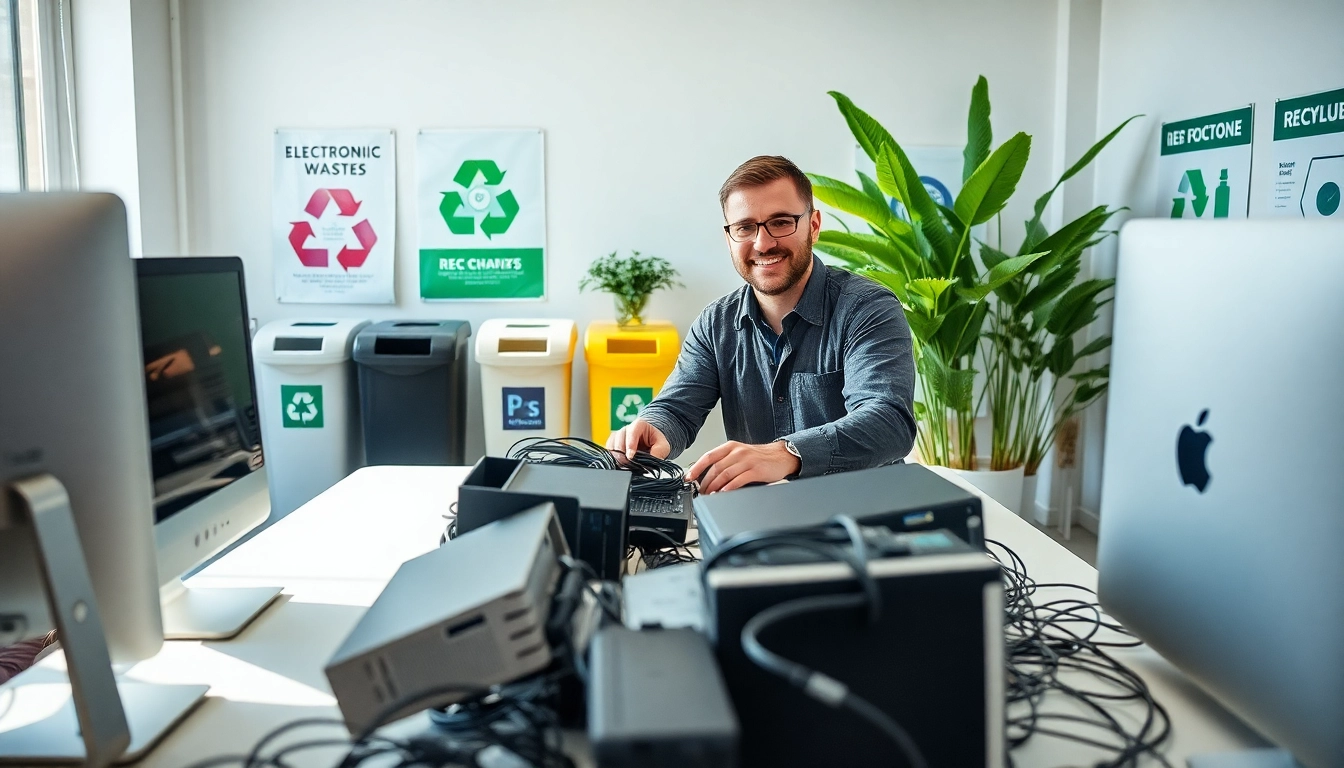
Preparing your old computers for recycling also involves ensuring they are in reasonably safe condition for handling. Remove any external accessories, such as keyboards and mice, and neatly package cables to avoid tangling. If possible, clean the devices by wiping them down with a damp cloth to remove any dust or debris. Taking these steps not only facilitates easier processing at recycling facilities but also shows respect for workers and the recycling process.
Packaging and Transportation Tips
When transporting your old computers to a recycling center, it's essential to package them appropriately to prevent damage. Use sturdy boxes to secure the devices and consider wrapping them with bubble wrap or foam. For large items like desktop towers or monitors, consider using blankets or old towels for padding. It's also a good idea to transport your electronics in your vehicle safely, ensuring they won't shift during the journey.
What Happens to Recycled Computers?
Understanding the Recycling Process
Once collected, old computers go through a carefully regulated recycling process. The devices are first inspected and sorted based on their components. Functional items may be refurbished and resold, while non-working devices are disassembled for parts. The recycling facility focuses on maximizing recovery rates for materials, which can include gold, copper, aluminum, and plastics, contributing to the circular economy.
Components That Can Be Reused or Recycled
Various components from old computers can be reused or recycled. For example, hard drives can often be refurbished and reused, while motherboards, batteries, and power supplies are retrieved for their valuable metals. Plastics and glass from cases and screens can be recycled to be utilized in new electronic devices or other products. The ability to recycle these components significantly reduces waste and minimizes the demand for new raw materials.
Impact of Responsible E-Waste Recycling
Responsible e-waste recycling has numerous positive impacts. It reduces environmental pollution, conserves natural resources, and decreases the need for landfills. Moreover, recycling helps create green jobs in the recycling industry and supports local economies. By participating in e-waste recycling initiatives, individuals contribute to a healthier planet and a more sustainable future, demonstrating the vital role each person plays in addressing this global issue.
Frequently Asked Questions
1. What do I do with my old computer that still works?
You can donate it to local charities or schools that accept used computers, or look for recycling programs that accept working devices.
2. Are there free services for collecting old computers?
Yes, many local municipalities and non-profits offer free pick-up services for electronic waste, including computers.
3. How can I ensure my data is safe before recycling?
Use software to wipe your data clean, or physically remove and destroy the hard drive before recycling.
4. What types of electronics can I recycle?
Most programs accept desktop computers, laptops, monitors, printers, and other electronic devices.
5. Where can I find local recycling events?
Check your city’s official website or community boards for upcoming electronic recycling events in your area.