

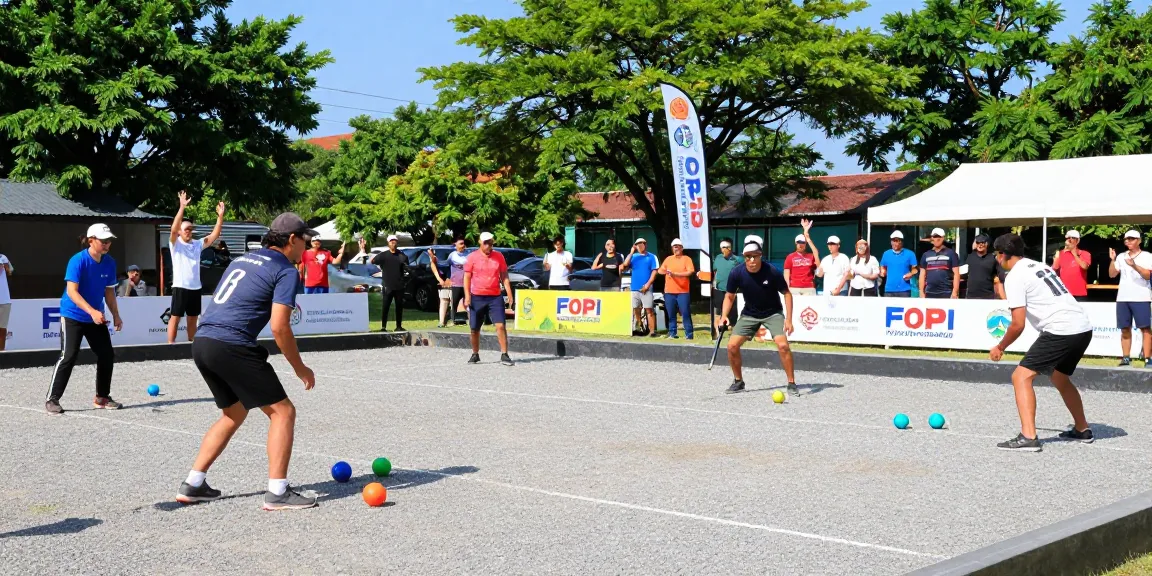
The Rise of Petanque in Kota Bontang
Petanque, an intriguing outdoor sport rooted in French tradition, has found its way to Indonesia, particularly flourishing in the city of Kota Bontang. With its blend of strategy, precision, and social interaction, petanque has quickly built a vibrant community of players and enthusiasts. The Federasi Olahraga Petanque Indonesia (FOPI) Kota Bontang plays a pivotal role in this development, overseeing and promoting the sport throughout the local area. As we delve into the history and milestones of petanque, it becomes clear how essential fopikotabontang.org is in providing resources and support for both new and experienced players.
Understanding Petanque’s History and Development
The origins of petanque can be traced back to the early 1900s in France, where it began as a recreational activity among villagers. The sport involves throwing metal balls towards a target ball, known as the cochonnet, aiming for precision and strategy rather than speed. In Indonesia, the history of petanque remains somewhat nebulous; it is believed that the game was introduced by French expatriates who brought their passion for the sport with them. Although exact dates are unclear, evidence suggests that petanque was played in various expatriate communities across the archipelago, particularly in Jakarta, Bali, and Yogyakarta.
In Kota Bontang, the establishment of FOPI Kota Bontang has been a turning point in the promotion and organization of petanque. Under the guidance of FOPI Provinsi Kalimantan Timur, FOPI Kota Bontang has created a framework for developing the sport. This included facilitating events, providing training for players, and engaging with local communities to raise awareness of petanque.
Key Milestones for FOPI Kota Bontang
Since its inception, FOPI Kota Bontang has marked several significant milestones that have contributed to the sport’s growth. The organization’s formal establishment in 2011 coincided with Indonesia hosting the SEA Games, making petanque an official competitive sport in the country. This event not only raised the profile of petanque among local athletes but also established a sense of legitimacy and support for the sport at the national level.
Over the years, FOPI Kota Bontang has hosted numerous local tournaments, training camps, and workshops aimed at educating players of all levels. The organization has also fostered partnerships with schools and universities, integrating petanque into physical education programs. This outreach has proven effective in cultivating a new generation of players and fans.
Influence of SEA Games on Petanque Popularity
The SEA Games serves as a crucial platform for many sports in Southeast Asia, and for petanque, it marked a turning point that significantly boosted its popularity. The inclusion of petanque in the 2011 SEA Games showcased Indonesian talent to a wider audience, encouraging local players to improve their skills and participate more actively in the sport. The event also attracted media attention and sponsorship opportunities, essential for sustaining and promoting petanque long-term.
Following the SEA Games, many local governments, including Kota Bontang, recognized the importance of investing in sports infrastructure. Development of courts and facilities has taken place, allowing for greater participation and improved training environments. These efforts contribute to cultivating a competitive scene that can compete at higher levels, both regionally and internationally.
FOPI Kota Bontang’s Role in Promoting Petanque
FOPI Kota Bontang serves as the heartbeat of petanque in the region, organizing events, competitions, and community engagement initiatives to elevate the sport’s profile. Their comprehensive approach addresses various aspects, from athlete development to community outreach, ensuring a robust foundation for ongoing growth.
Organizational Structure and Key Personnel
The organizational structure of FOPI Kota Bontang is designed to facilitate effective management and outreach. Led by a dedicated board of directors, the team includes experienced players and coaches who bring insights and expertise to the administrative side of the organization. This blend of leadership ensures that decisions made resonate with the community’s needs, aligning with national petanque development goals.
Key personnel include trained coaches who lead workshops and training sessions. Their role is crucial in upskilling players and fostering leadership within the sport. Workshops not only focus on skill development but also teach the intricacies of strategic gameplay, enhancing overall performance among participants.
Community Engagement Initiatives
FOPI Kota Bontang has embraced community engagement as a vital component of its mission. By organizing open days, local tournaments, and exhibition matches, the organization allows the public to experience petanque firsthand. These events are often paired with educational sessions that explain the rules, history, and tactics of the game, appealing to potential new players.
Furthermore, initiatives aimed at underprivileged communities have been launched to ensure inclusivity. Outreach programs seek to introduce petanque in local schools and community centers, fostering interest among children and youth. Such engagement creates potential pathways for young players to explore competitive avenues within the sport.
Collaboration with Local Schools and Educational Programs
The partnership between FOPI Kota Bontang and local schools forms a foundation for nurturing new talent. By incorporating petanque into physical education curricula, schools can offer students a unique athletic experience that combines leisure with skill development. Workshops conducted in schools provide a supportive environment for students to learn and practice.
This collaboration not only encourages participation in petanque but also instills values like teamwork, discipline, and strategic thinking. Through these educational programs, FOPI has seen a steady increase in interest among youth, indicating a positive outlook for the sport’s future in the region.
Best Practices for Hosting Petanque Events
Hosting successful petanque events requires meticulous planning and execution. From competitive matches to casual gatherings, several best practices can ensure that events are enjoyable and inclusive for all participants.
Planning and Organizing Competitive Matches
To organize a competitive petanque tournament, the first step is to define the format and rules clearly. Standard formats, such as triples or doubles, should be communicated ahead of time to all participants. Additionally, securing a suitable venue is essential; the location must have adequate space for playing and spectator areas.
Promoting the event through local media, social networks, and community boards can help attract participants and spectators. Collaborating with local sponsors can provide essential resources, such as prizes and refreshments, enhancing the overall experience for everyone involved.
Creating an Inclusive Environment for All Skill Levels
Creating an inclusive environment is vital for fostering a love of the sport among new players. Events should be structured so that experienced players can mentor beginners, ensuring everyone feels welcome and supported. Incorporating informal play sessions alongside competitive matches allows participants to enjoy the game without pressure.
It is also beneficial to offer different categories of play, such as novice and advanced levels, to ensure that everyone can participate comfortably. This approach enhances community spirit, allowing friendships to form across various skill levels.
Marketing Strategies to Attract Participants and Spectators
Successful marketing strategies can elevate the visibility of petanque events. Leveraging social media platforms to showcase videos and photos from previous events can create buzz and anticipation. Engaging local influencers to promote events can also broaden outreach, attracting new audiences.
Additionally, establishing a recurring tournament calendar helps to build a loyal following. Clear communication regarding event dates, times, and formats will ensure participants can plan accordingly, leading to higher attendance and engagement.
The Future of Petanque in Indonesia
As petanque continues to evolve in Indonesia, there are numerous emerging trends and opportunities for growth. The sport is poised to attract a younger demographic, potentially flourishing in urban areas where lifestyle sports appeal to younger audiences.
Emerging Trends and Opportunities for Growth
The rise of urban sports culture presents an opportunity for petanque to gain traction, particularly in city environments where recreational activities are in high demand. As a low-cost, accessible sport, petanque can appeal to local governments seeking to invest in community recreation initiatives. Collaborative programs focusing on urban development and sport could lead to new petanque courts being built across cities.
Additionally, incorporating technology, such as apps for scorekeeping and event organization, can enhance the spectator experience and streamline event management. Engaging younger players through technology can also lead to innovative formats that keep the game fresh and exciting.
Potential Challenges Facing the Sport
Despite promising trends, challenges remain for the growth of petanque in Indonesia. Limited awareness and understanding of the sport among the broader public can hinder participation. Additionally, competition from more popular sports may divert attention and resources that could benefit petanque development.
FOPI Kota Bontang must continue to advocate for petanque and work alongside local sports councils to promote awareness. Developing comprehensive educational programs that clarify the sport’s benefits can also be key in addressing misconceptions and increasing participation.
Vision for 2026 and Beyond for FOPI Kota Bontang
As FOPI Kota Bontang looks to the future, the organization envisions a flourishing community of petanque players who represent Indonesia on an international stage. By 2026, FOPI aims to have established a robust training program that produces competitive athletes capable of excelling in regional tournaments.
Moreover, FOPI plans to expand its community engagement initiatives, making petanque accessible to all demographics across Kota Bontang. By fostering collaboration with local businesses, schools, and government entities, FOPI can create a sustainable culture of petanque that thrives for years to come.
Frequently Asked Questions
What is FOPI Kota Bontang?
FOPI Kota Bontang is the local governing body responsible for promoting and developing the sport of petanque in the Kota Bontang region of Indonesia, under the larger umbrella of the Federasi Olahraga Petanque Indonesia.
How can I participate in petanque events?
Participation in petanque events is open to everyone, regardless of skill level. Interested individuals can contact FOPI Kota Bontang through their official channels to learn about upcoming events and training sessions.
What resources are available for new players?
New players can access training materials, resources, and coaching through FOPI Kota Bontang. The organization often holds workshops and introductory events to help beginners understand the game.
Where can I find local petanque courts?
Local petanque courts can often be found in community parks and recreational areas. FOPI Kota Bontang maintains a list of courts available for public use, which can be accessed through their official website.
How does FOPI Kota Bontang support youth engagement?
FOPI Kota Bontang actively engages youth through school partnerships and community outreach programs, introducing petanque to children and teaching them the basics of the sport to foster interest and participation.